tech
The next layer: XR at DNA.inc
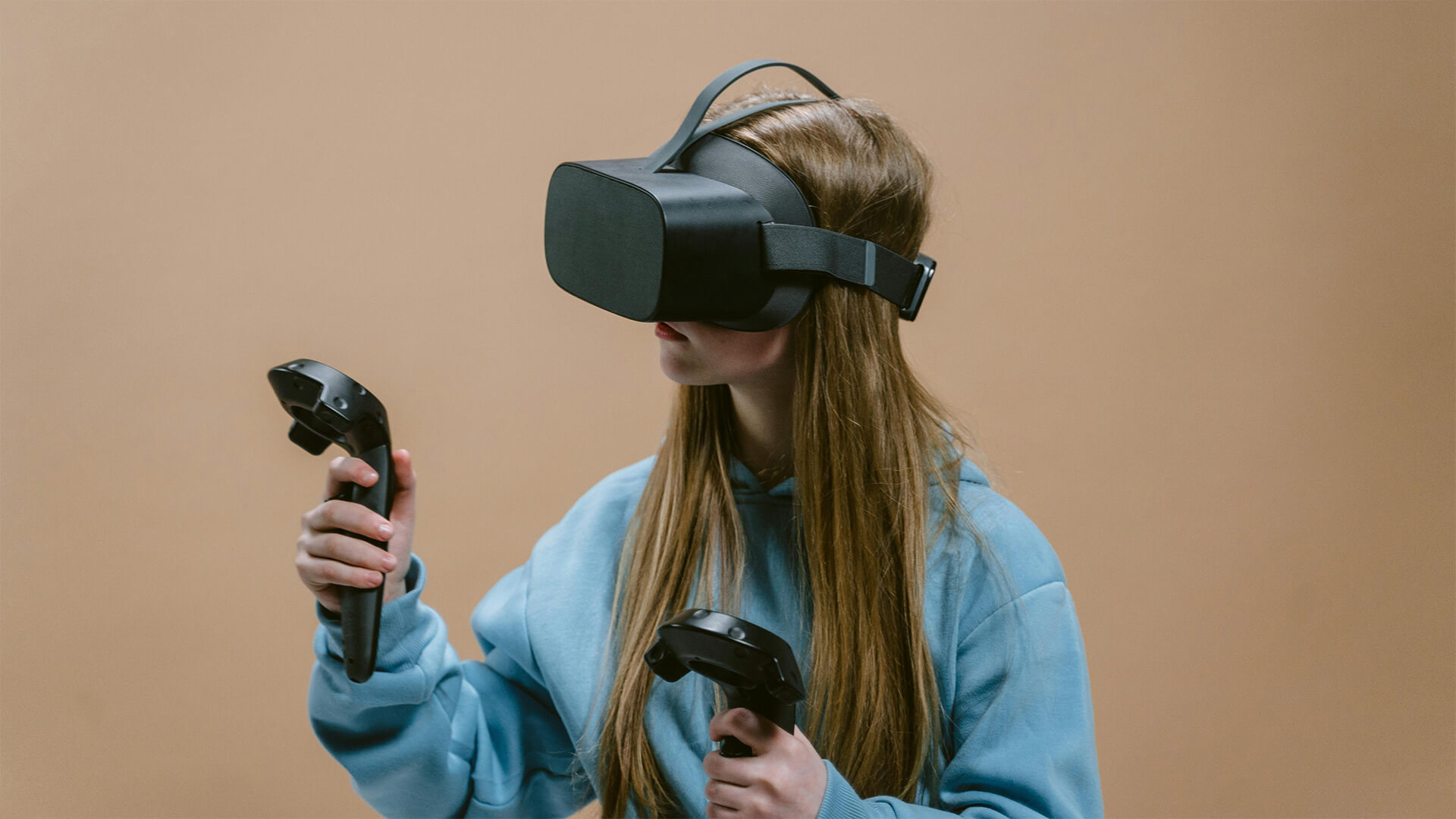
I’ve spent nearly a decade in extended reality (XR), not because it was the easy or obvious path, but because it never stopped feeling like the future. The tools were rough, the hype came and went, but the core idea always stayed powerful: What if digital experiences didn’t just look real, but felt real?
Now, joining DNA.inc as Head of XR, that question feels more relevant than ever. It’s made me think about why I’ve stayed in this space, and why it fits so well here at DNA.
What drew me to DNA.inc is simple: this is a team that makes the digital tangible. We partner with ambitious companies to envision, build, and launch elegant digital products, intuitive interfaces, and platforms that scale.
For a long time, XR was an odd field to specialise in. Always full of promise, often intriguing, slowly evolving – but rarely breaking through. And yet, it’s come a long way. From the early days of Oculus dev kits, Google Cardboard, Gear VR, and mobile AR, XR has steadily matured.
Today, we’re in a new era. Mixed reality headsets like Quest 3, Vision Pro, Pico, and soon Android XR are setting a higher bar in comfort, capability, and developer ecosystem. The experience is no longer just a demo or proof of concept; in many cases, it’s delivering meaningful, real-world value.
Meta’s sustained investment has helped move the space forward, but it’s no longer a one-player game. We’re seeing XR shift from experimental tech to applied product, with concrete use cases across industries. Training is a proven one. Gaming as well. And as both hardware and software continue to improve, so will the possibilities.
It’s no longer a question of if XR will matter, but how and where it creates value. I do believe we’re finally starting to reach the ‘now’ stage, not ‘sometime in the future’. And yet, what makes this space truly exciting is that even now is just the beginning.
In the AI world, there’s a phrase I keep hearing: “this is the worst it’s ever going to be”. It captures a sense of unstoppable momentum, but stops short of really promising improvement. With XR, I feel a similar energy, but a different kind of confidence. The trajectory is more tangible. We can see the road ahead. It will keep getting better: consistently, meaningfully, and in very practical ways.
The reason I’m confident in that trajectory isn’t just belief. It’s grounded in two areas where progress is already real, and where I’ll be focusing as we build out our XR expertise at DNA.inc.
First, mixed reality headsets will keep maturing. Devices like Quest 3 and Vision Pro already mark a big step forward. We’ll see more comfort, better visuals, longer battery life, and software that finally starts to feel native to the medium. Apple’s recent visionOS announcements at WWDC are a great example: the system is evolving fast, and it’s only going to get more capable and more usable with each iteration.
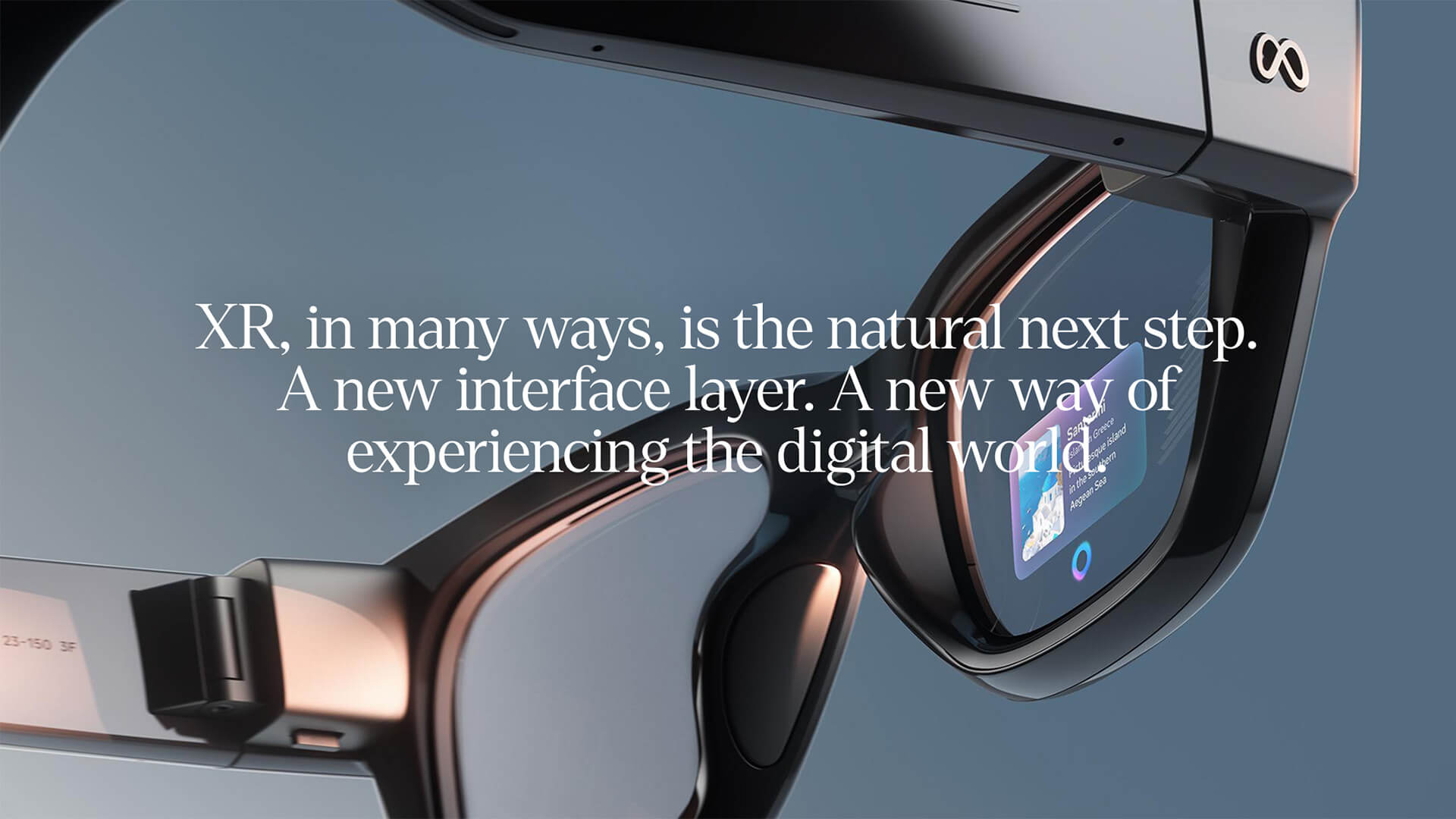
On the other hand, there’s finally some real line of sight to augmented reality glasses. It’s still going to be a winding, sometimes confusing journey, with many different types of glasses, approaches, and form factors along the way. But the direction is clear. Meta’s Orion glasses show that it’s possible, and it’s coming. Even if it’s still a few years out, we’re no longer wondering if, we’re watching how.
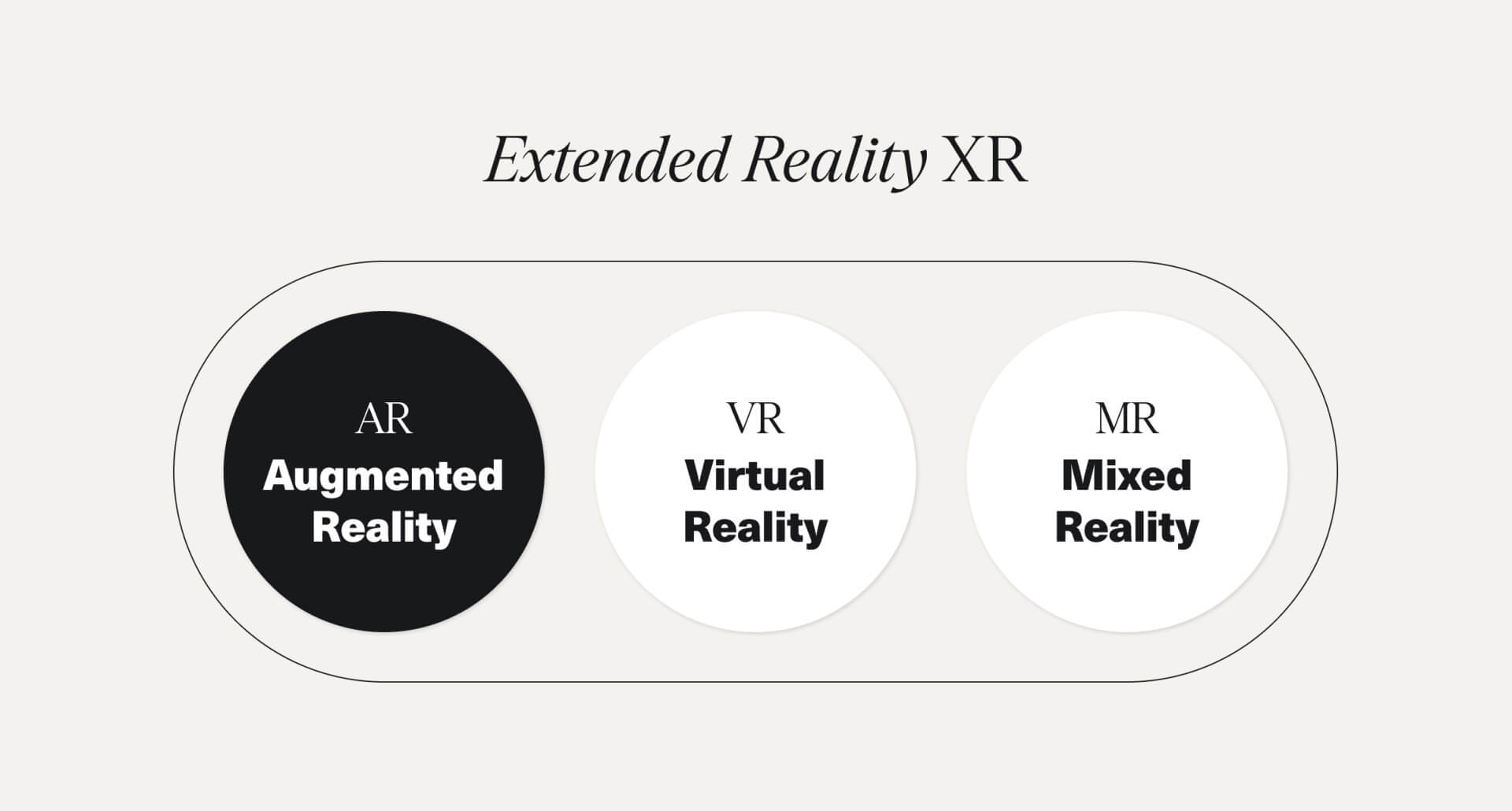
What excites me most about XR isn’t just the hardware, though some of it is pretty cool, it’s the new kinds of experiences we can design because of it. XR enables things no other technology can. We live in a 3D world, yet our digital lives have remained mostly flat, confined to rectangles and swipes. XR adds depth. It makes digital experiences spatial, immersive, embodied. And that opens up entirely new ways of learning, working, playing and connecting.
To me, that makes XR one of the two most exciting frontiers of front-end technology, the other being conversational interfaces. Both fundamentally reshape how we interact with technology.
DNA.inc has built its reputation on digital experiences people actually want to use, combining thoughtful UX, high-quality interfaces, and products that perform at scale. That mindset resonates deeply with me, because XR isn’t a departure from that, it’s an expansion of it.
Over time, I believe XR is on its way to becoming part of the everyday tools we use to work, learn, create, and connect. And that’s why I’ve chosen to join many of my old friends at DNA.inc, to shape how we explore and grow our XR practice. It has also meant bringing voices from my network (collaborators and experts I’ve worked with over the years) to help us build depth from day one and scale up rapidly where needed.
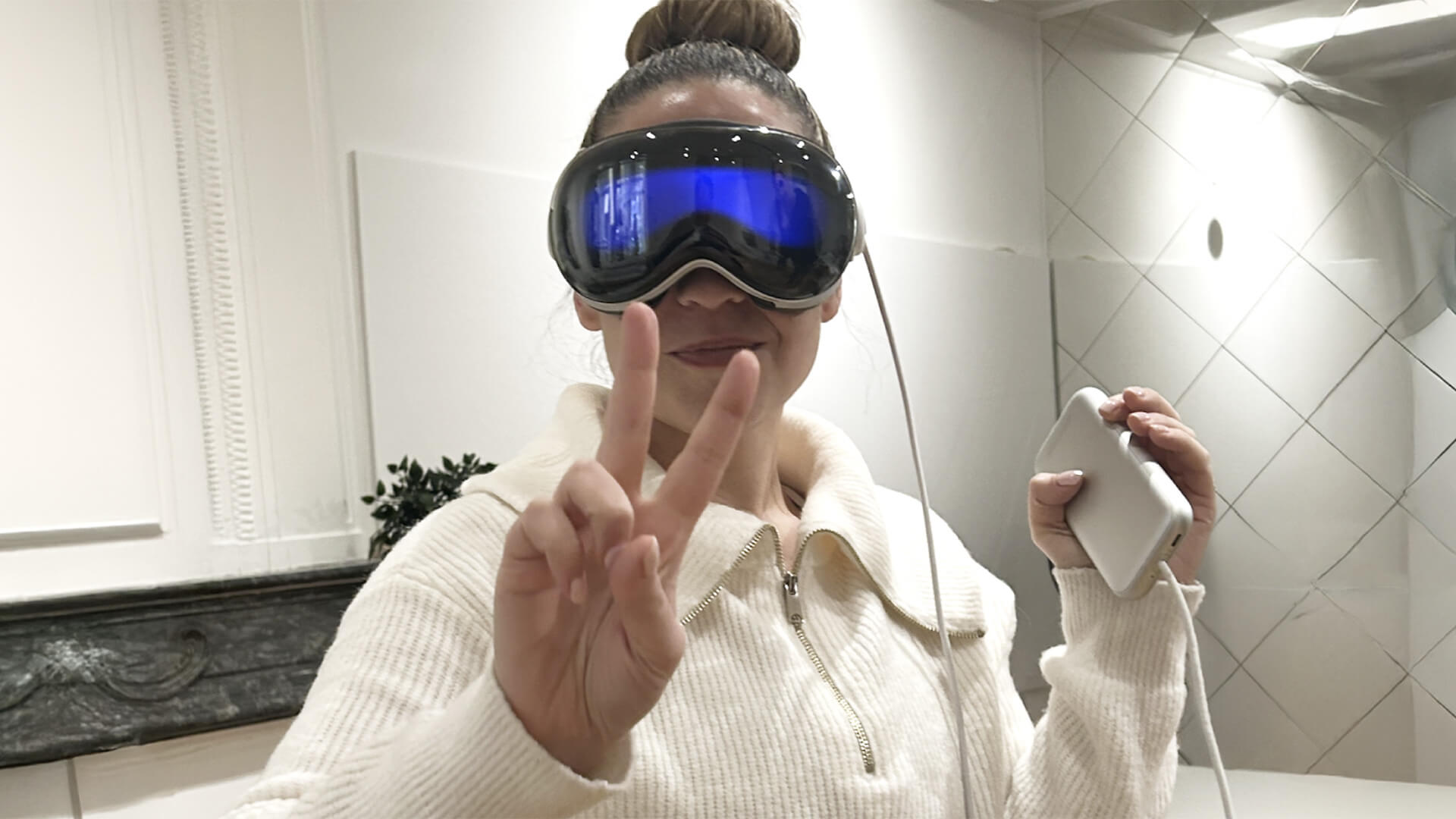
Since joining, I’ve already had the chance to dive into conversations with teams who are just as curious about XR as I am – clients exploring what this new layer of interaction could mean for their products, their users, their future.
It’s early days, but the energy is real. There’s a shared sense that something meaningful is taking shape, and we’re building it together with clients, partners, and a growing team. I’m excited to share more as it comes to life.
If you’re somewhere on that path too – experimenting, building, or simply thinking about where XR could take you – let’s connect. I’d love to hear what you’re seeing and walk that road together. Let’s keep the conversation going, and see where it leads.