engineering
Fighting fire with fire: delivering quality when nothing is certain and the heat is on
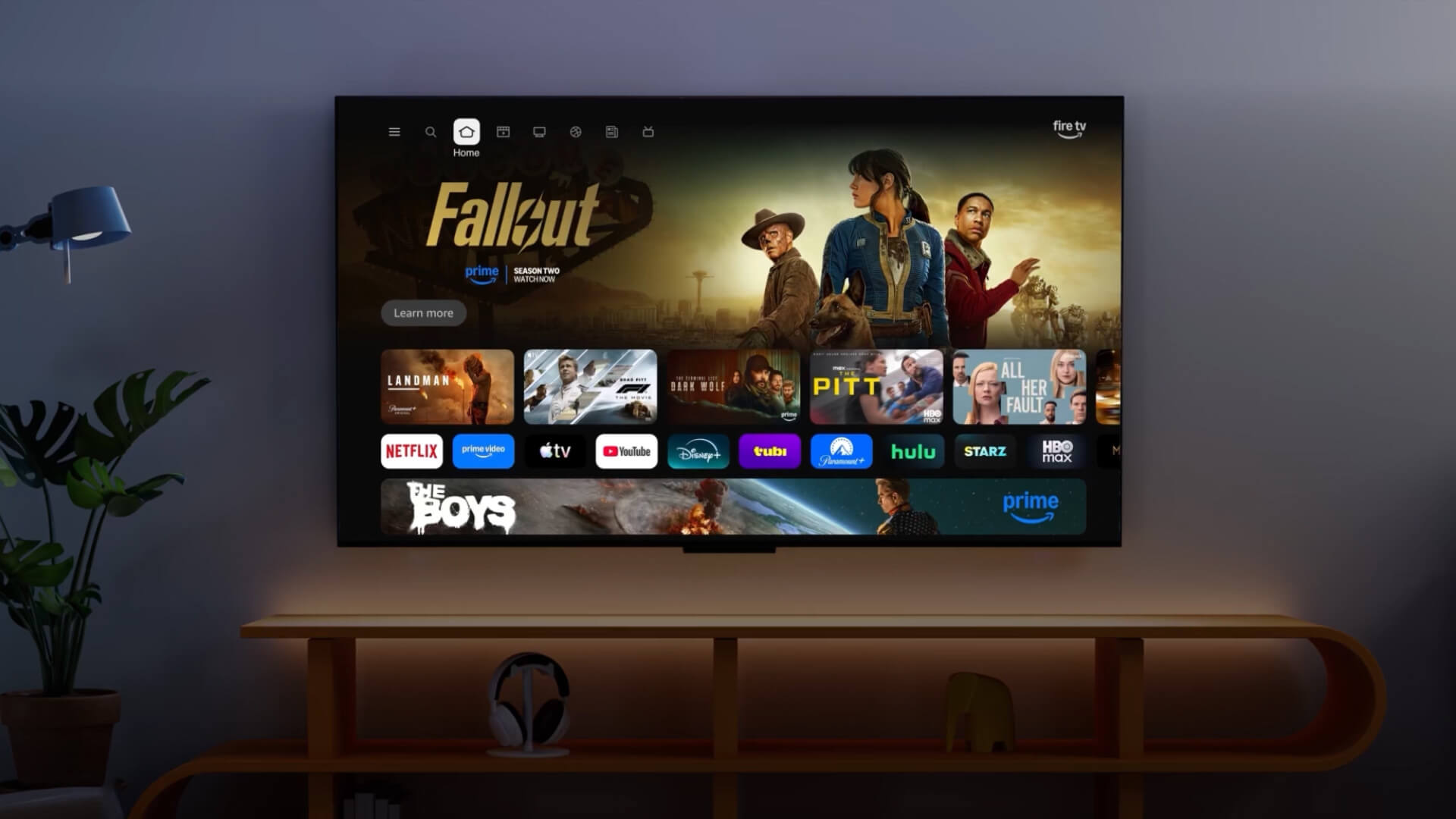
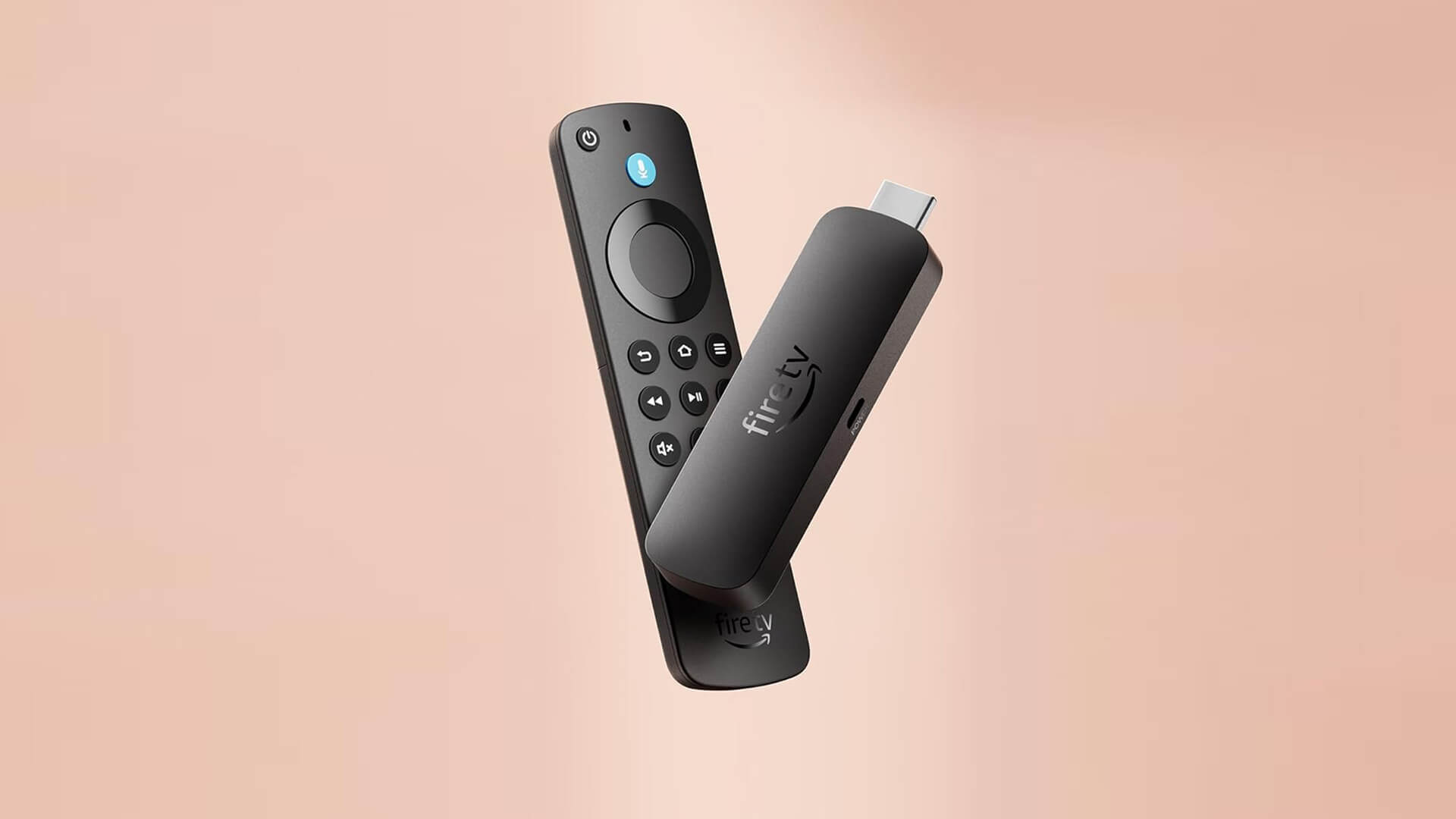
How do you ship a production-ready experience under highly unstable conditions, with a small team and moving deadlines? Porting a large streaming app to React Native for Amazon’s new Fire TV Stick 4K Select (Vega OS) was a wild ride. As a development partner on a platform still taking shape, being first was less about novelty and more about responsibility. Launching successfully demanded pulling out all the stops on learning speed, systems thinking, and senior craft. And because it was such a different project than the usual flavor, well… we rewrote the playbook.
In a typical project, you have at least a few helpful constants: a trustworthy development environment (like Android Studio), a mature ecosystem with tools and community support (think Swift), stable target systems to develop for (hello, web browsers), and a defined feature set. This was not one of those projects.
The environment, the language, and even the target OS were all still in active development. Tooling was immature. Documentation was sparse. Even the feature set shifted along the way. The stakes were high.
The question was not how to execute a plan. But how to operate without one. We’ve collated the answers we found into a blueprint for navigating the unknown.
1. Prioritize – and take no prisoners
Small team. Short timeline. Shipping a large app. That’s already going to shift how you define your scope. Add to that an OS that’s still in flux (here’s looking at you, Vega) and a software framework that’s still evolving (React Native) – and your first design and engineering ritual absolutely has to be ruthless prioritization. More than sorting necessary from nice-to-have, it’s framing platform constraints against performance risk.
First up, defining the absolute Minimum Viable Product. Any wrong feature choice could add development time, lethal on a tight deadline. Together, our design and engineering teams explicitly evaluated choices in terms of reputational exposure. A missing secondary feature is survivable. A broken playback flow is not. We treated every feature decision as a risk decision.
Next, identifying pain points as soon as possible – and making a back-up plan. Case in point: discovering broken custom fonts and vector graphics in the React Native implementation lead to us designing temporary fallbacks while we flagged the issue to be solved on the system side.
In our project, it was especially important to identify problems with implementing critical features early on. The sooner we exposed limitations in Vega OS, the sooner they could be addressed.
2. Show, don’t tell
With just months between proof of concept and targeted release, traditional status rituals were guaranteed to slow us down. So we swapped daily alignment meetings and long email threads for evidence-based updates on the fly.
Standard status reports out. Short, narrated videos demos in. Visually engaging, asynchronous communication that walks through what works, what’s blocked, what’s changed, and where and why we’ve made trade-offs. More than informing, these logs created a shared reality with zero room for ambiguity. Stakeholders could watch updates on their own schedule and leave precise feedback when necessary. New joiners (and anyone else who needed to know) could catch up instantly.
Ultimately, these updates meant we were actively managing risk instead of just reporting it: a practical way to navigate uncertainty in plain sight.

3. Don’t imitate, iterate
As Vega OS stabilized, our launch date shifted forward. Repeatedly. We had to be ready to ship a working product on short notice. A standard linear approach would have left us with half a perfect app, and a compromised launch. So instead of building feature by feature, we built in layers.
A few weeks from starting, the app was fully working. All the key features and primary flows existed in a basic state. Users could log in, browse channels, manage favorites, and hit play. Sorting favorites and auto-resume could wait. Shipping with missing screens could not. If we had to ship, we were technically ready. The only variable was depth of refinement, not breadth of experience.
Our approach also proved a useful de-risking strategy. Developing every feature as soon as possible in a basic state means any issues are detected early. High-risk areas can be prototyped first, with buffers built in to make sure there’s no compromise to core functionality.
4. Simplify or sink
When uncertainty is your only guarantee, systems thinking isn’t optional. It’s a safeguard for isolated decisions becoming knock-on liabilities. And staying focused on one big picture shifts your priority to minimizing complexity.
On Vega, the constant change could have spiralled us into a web of overcomplexity. Features that we’d just implemented could change completely in our sister apps, forcing us to adapt or remove them completely. Changes in the OS or React Native implementation had implications on our app architecture. If the navigation framework didn’t work as expected, we had to build our own. When performance degraded, we needed to move our player from running in the main process to a service-based architecture.
Add to this tight deadlines and a small, evolving team that needs super speedy onboarding… you very quickly see how complex architecture thoughtfully crafted and abstracted can compound chaos – and fragility. So we simplified deliberately.
Logic stayed simple and easily replaceable. Architecture decisions were made based on close deadlines. And we did not optimize for performance too early. When deadlines shifted, we could invest time in a more resilient approach. In projects like this, readability, debuggability, and speed of implementation beat complex architectures, early generalization, and optimization.
Final thoughts
For us, this project reinforced that quality under pressure comes from clarity, discipline, and the willingness to make deliberate trade-offs. Radical prioritization. Transparent, asynchronous communication. Iterative layering instead of linear perfectionism. And architectural restraint instead of overengineering.
These aren’t one-off tactics for a single launch. They’re habits. And when conditions are fluid, platforms are evolving, or expectations are high, those habits create stability where there is none. That’s how complex, fast-moving initiatives turn into reliable releases – and why we’re comfortable stepping into projects where others might hesitate.